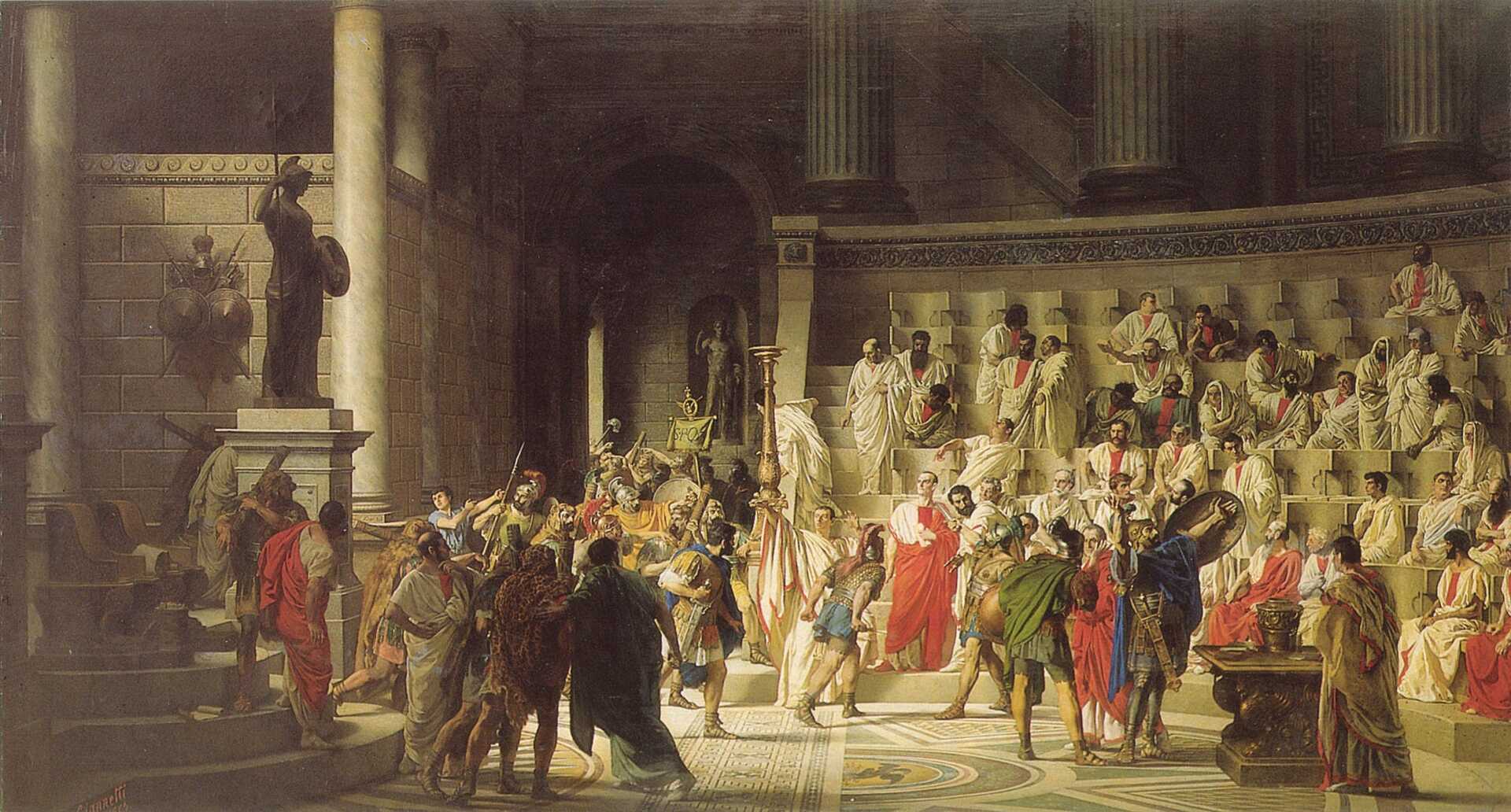
Twas the night before the election, and all through the land, not a voter was roused, as their nation seemed damned.
What a sad eulogy on the seeming death of our democratic elections. Yet, it is this pessimism that pervades the minds of almost everyone I speak with, and by all those I am told about.
Morale is crucial to a population’s sense of itself through its communities, business and society at large just as much as it is for an army on the battlefield. Right now, however, Australians are suffering a malaise of gigantic proportion.
We feel leaderless and rudderless.
We are here but we aren’t here. We are watching the demise of our nation occurring in front of us, yet we still cannot grasp the reality of it.
It would have been the same for those in past eras who lived through times of torment and destruction. But for us here in 2025, with so much knowledge at our fingertips, it makes it that much more frustrating to comprehend that we have not, will not, or cannot learn the lessons from those who trod this path before us.
I turn to ancient wisdom in my hour of needing to understand. While it will not fix our contemporary malaise, it serves as a refuge to ponder what could be if only more people had the will to be strong in character. The Roman historian, Sallust, attributed much of the demise of his time to the weakness of man’s mind, arguing that if only mankind would foster mental prowess above mere physical confrontation, things could be better.
“If mental prowess of kings and commanders were as effective in peace as in war, human affairs would be conducted more uniformly and consistently, and you would not see things swept along in different directions and everything changing and confused.”
He cited the simple and practical arts of this world, such as sailing, ploughing and building, as all dependant on prowess, but alas, a laziness pervades most people:
“But many mortals, devoted to their stomachs and to sleep, have passed through life untaught and uncouth, like foreign travellers; and of course, contrary to nature, their bodies were a source of pleasure to them, their minds a burden.”
I cannot think of a more apt description of our own time than this. We moderns have become lax and dependent upon government to fix our every woe. And this cannot endure, just as it did not endure in Sallust’s time:
“When the commonwealth had grown through hard work and justice, and great kings had been tamed in war, and wild nations and mighty people subdued by force, and Carthage – the rival of Rome for command of an empire – had been eradicated, and all seas and lands became accessible, then Fortune began to turn savage and to confound everything.”
We have been tricked into believing that more is best despite having the playbook of governing and living at our disposal.
Two thousand years have passed since Sallust wrote these words, but if I were to write them, unreferenced, I doubt that anyone would not recognise them as describing our times now:
“Those who had easily tolerated hard work, danger and uncertain and rough conditions, regarded leisure and riches as a burden and a source of misery. Hence it was the desire for money first of all, and then for empire, which grew; and those factors were the kindling (so to speak) of every wickedness. For avarice undermined trust, probity and all other good qualities; instead, it taught men haughtiness, cruelty, to neglect the gods, to regard everything for sale.”
As we head into the election tomorrow not knowing the outcome but suspecting it will be a Labor win, let us each commit to helping and urging our fellow man to take notice of history.
“For in history you have a record of the infinite variety of human experience plainly set out for all to see; and in that record you can find for yourself and your country both examples and warnings; fine things to take as models, base things, rotten through and through, to avoid.”
Livy told us that in the first century BC.
Member discussion