Our childhood stories begin with that most classic of all phrases, ‘Once upon a time…’
There is another…
And it stirs the imagination such that it will lead you into depths only the brave and intrepid dare to venture.
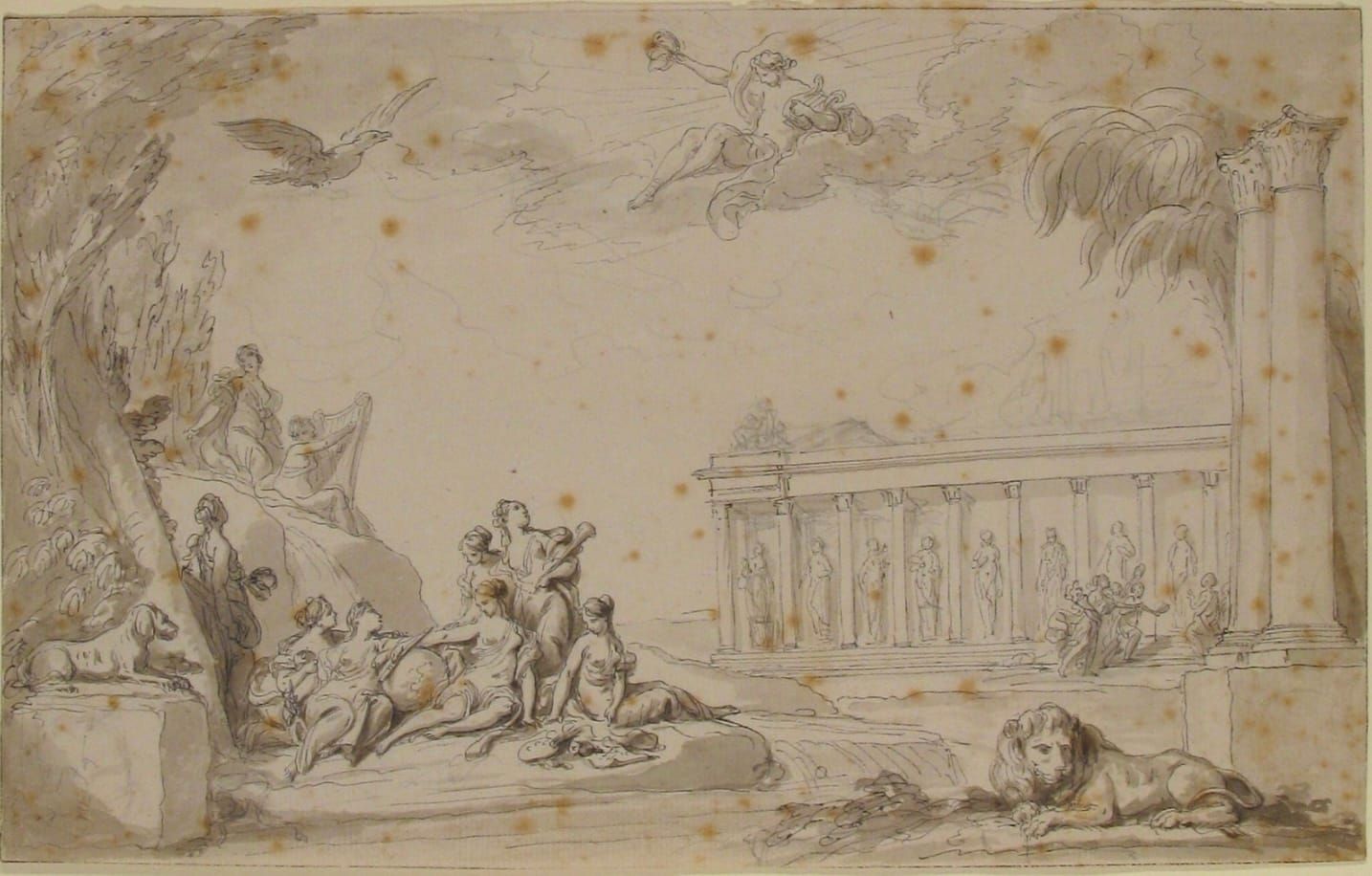
‘Tell me, Muse, how it all began.’
This is how Virgil invites his readers to hear one of the greatest stories ever told - the founding of Rome.
Now, this is not an essay on his most famous work, The Aeneid. You can learn about that by reading it yourself. We each interpret text from our own point of view.
However, epic stories convey a message that every reader can recognise – the wanderings, tribulations, and triumphs of life.
In brief summation, Aeneas fled the burning ashes of Troy with his father, wife, and son, setting out on a journey that was met with many and tumultuous setbacks, until they eventually arrived in Latium, and forged an alliance with the Latin race.
Rome was born.
Virgil wrote his epic poem 700 years after Rome began, according to Varro of the second century BC.
Here we are now in 2023 and living through the decimation of western civilisation in real time.
So, what are we doing to record our great fall and prospects of renewal?
Do we leave it to the elite whitewashers to craft a narrative that suits their own desires, or do we each begin to lay down our own foundational knowledge, such that can be passed on to our children and their children?
I opt for the latter. There are more of us than them. Our collective (and I use that word cautiously) history is vast and rich. It reaches back into time memorial, touching all manner of wondrous journeys, traditions, and intersections.
We are watching our lives and societies decay before our very eyes. Yet, we have history to guide us, to teach us, to reveal to us both the pitfalls and glories.
When Livy wrote his Early History of Rome, he confessed to having misgivings that he would complete his task faithfully. But he also wrote that he would ‘find satisfaction in contributing.’
Perhaps his most poignant words to the recording of history are these:
‘My task, moreover, is an immensely laborious one. I shall have to go back more than seven hundred years and trace my story from its small beginnings up to these recent times when its ramifications are so vast that any adequate treatment is hardly possible. I am aware that most readers will take less pleasure in my account of how Rome began and in her early history; they will wish to hurry on to more modern times and to read of the period, already a long one, in which the might of an imperial people is beginning to work its own ruin.’
Note the last few words – ‘beginning to work its own ruin.’
We are now amidst our own ruinous times. We are eyewitnesses to the fall of greatness and the onset of horror.
Our contribution is necessary if we are to salvage what was wonderful, beautiful, and uniquely ours.
Virgil set the scene for his story vividly, as if he was there watching it unfold:
‘Wars and a man I sing – an exile driven on by Fate, he was the first to flee the coast of Troy, destined to reach Lavinian shores and Italian soil, yet many blows he took on land and sea from the gods above – thanks to cruel Juno’s relentless rage – and many losses he bore in battle too, before he could found a city, bring his gods to Latium, source of the Latin race, the Alban lords and the high walls of Rome.’
He had to look back to record this momentous time. We are here now, bearing witness to ours, and feeling like Fate is having its own way.
Find your Muse. Ask her to tell you a story. Document it.
History will thank you.
Member discussion